
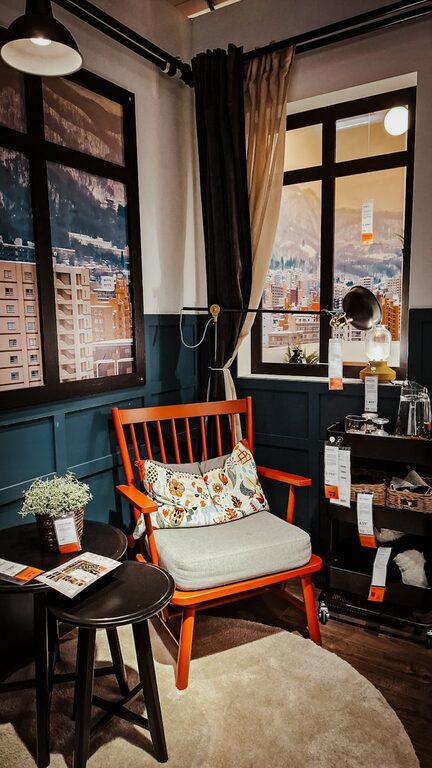
Creating comfortable lighting in your home is essential for both aesthetics and well-being. Proper lighting can transform your living spaces, making them inviting, relaxing, and functional. Whether you are redecorating, renovating, or simply upgrading your lighting fixtures, choosing the right lighting involves more than picking stylish lamps or bright bulbs. This guide will share helpful tips to select comfortable home lighting tailored to your needs and preferences.
Why Comfortable Lighting Matters
Lighting plays a crucial role in how we experience our homes. Poor lighting can cause eye strain, headaches, and discomfort, while good lighting improves mood, productivity, and ambiance. Comfortable lighting balances brightness, warmth, and placement, complementing natural light and the purpose of each room.
Understanding Different Lighting Types
Before selecting lighting for your home, it’s important to understand the three main types of lighting:
1. Ambient Lighting
This is your room’s general lighting – the overall illumination that makes the space usable. Examples include ceiling lights, chandeliers, or recessed lighting.
2. Task Lighting
Focused lighting helps with specific activities like reading, cooking, or working at a desk. Desk lamps, under-cabinet kitchen lights, and vanity lights are typical task lighting sources.
3. Accent Lighting
Accent lighting highlights certain features or decor elements, such as artwork, plants, or architectural details. Spotlights or wall-mounted fixtures often serve this purpose.
Balancing these types ensures functional yet comfortable lighting.
Tips for Choosing Comfortable Home Lighting
Consider the Purpose of Each Room
Think about how each space is used. For example:
– Living room: Comfortable and inviting, with layered lighting including ambient, task, and accent.
– Bedroom: Soft, warm lighting that creates a relaxing atmosphere.
– Kitchen: Bright, clear lighting for cooking tasks, with added task lighting.
– Bathroom: Even, glare-free lighting for grooming activities.
– Home office: Bright task lighting to reduce eye strain and maintain focus.
Choose the Right Color Temperature
Light color affects room ambiance and comfort. Color temperature is measured in Kelvins (K):
– Warm light (2700K-3000K): Cozy and calm, perfect for bedrooms and living rooms.
– Neutral light (3500K-4500K): Balanced and inviting, good for kitchens and bathrooms.
– Cool light (5000K-6500K): Crisp and bright, suitable for work areas and task lighting.
Generally, warm light creates a relaxing feel, while cooler light enhances alertness.
Pay Attention to Brightness
Brightness is measured in lumens, not watts. Understanding lumens helps you pick lights that are not too dim or overwhelmingly bright.
– For ambient lighting, around 1,500 to 3,000 lumens per room is common.
– Task lighting may require more focused brightness depending on activity.
– Use dimmable lights where possible to adjust brightness throughout the day.
Use Layered Lighting
Mix different types of lighting to create depth and flexibility in a room. For example, combine a ceiling fixture for ambient light, a table lamp for task light, and LED strips for accent lighting. Layered lighting allows you to customize the atmosphere based on your mood or activities.
Select Comfort-Enhancing Fixtures
Lighting fixtures impact comfort beyond just brightness and color:
– Avoid harsh glare: Choose fixtures with diffusers or shades to soften light.
– Consider adjustable fixtures: Swing-arm lamps or dimmable ceiling lights let you control illumination.
– Opt for energy-efficient bulbs: LED bulbs generate less heat and come in a variety of warmth settings.
Position Lights Thoughtfully
Proper placement avoids shadows and glare that can cause discomfort:
– Place reading lamps on the side opposite your dominant hand to prevent shadows.
– Position task lighting close to work surfaces.
– Use indirect lighting that bounces off walls and ceilings to reduce harshness.
Incorporate Natural Lighting
Whenever possible, maximize daylight with windows, skylights, or light tubes. Natural light improves mood and reduces the need for artificial lighting during daytime. Use sheer curtains or blinds that can control brightness without blocking light completely.
Maintain and Update Lighting Regularly
Over time, bulbs can lose brightness and color quality. Routinely check and replace bulbs as needed. Also, consider updating outdated fixtures that do not provide comfortable lighting or efficiency.
Additional Tips for Lighting Comfort
– Use smart lighting: Smart bulbs allow you to adjust color, brightness, and schedule lighting for convenience and comfort.
– Match lighting to decor: Fixtures that complement your interior style add to the overall pleasantness of the space.
– Mind your eyes: Take breaks from screen time and ensure your workspace has adequate lighting to prevent eye strain.
Final Thoughts
Choosing comfortable home lighting requires understanding your needs, the room’s function, and how different lighting elements work together. With the right mix of brightness, color temperature, and thoughtful placement, you can create spaces that are both beautiful and comfortable. Whether you prefer a warm, cozy glow or bright, energizing light, investing time in selecting the perfect lighting setup will enhance your home’s atmosphere and your daily comfort.
—
With these tips, you’re ready to make informed choices that bring a welcoming and restful ambiance to your home. Happy lighting!